How to Choose Between a PLB and a Satellite Messenger
by Admin
Posted on 07-10-2023 12:46 PM
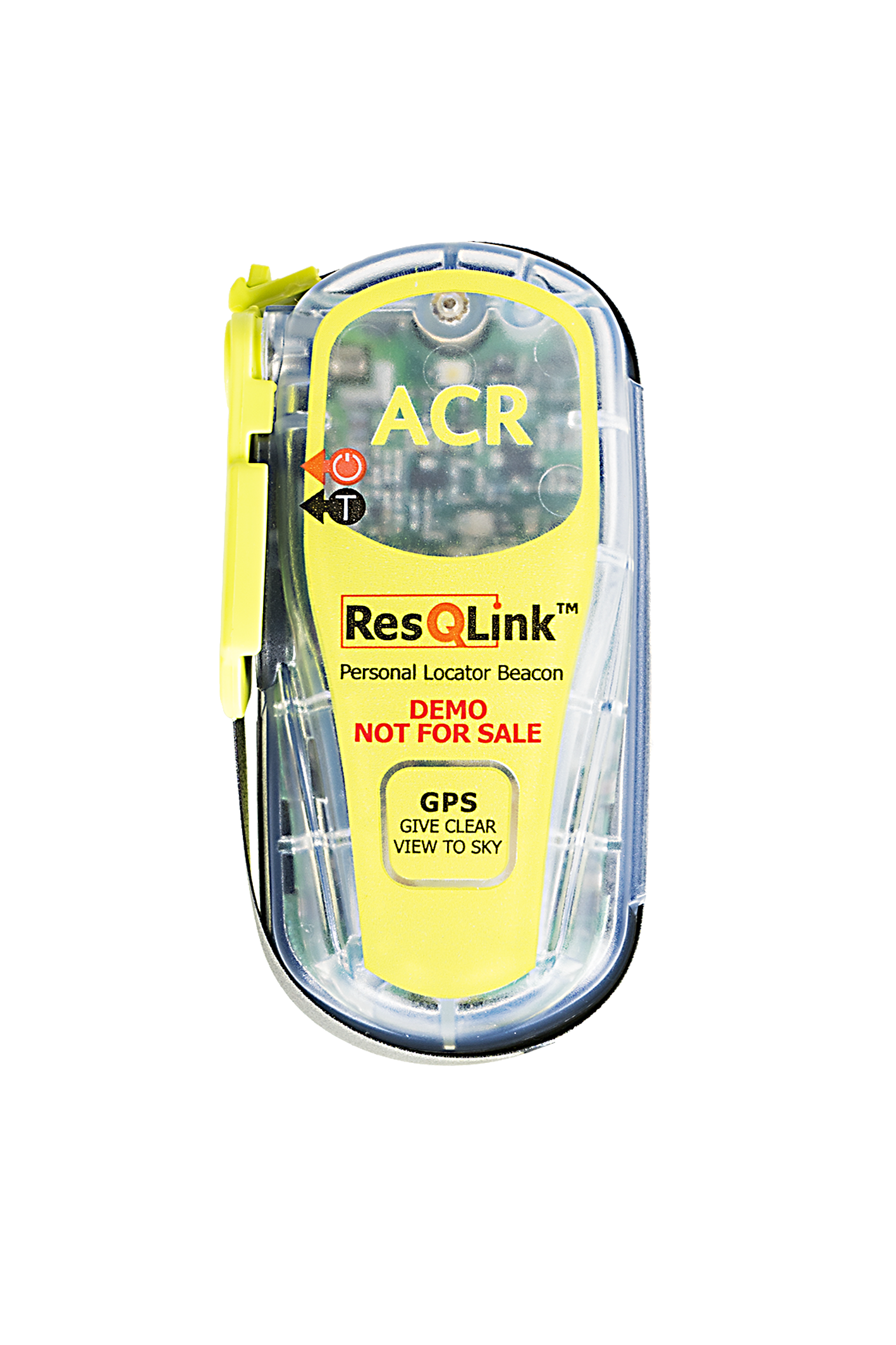
While many people consider unplugging to be an essential part of immersing themselves in the natural world, it’s also true that there might come a
time
when one truly needs to call for help.
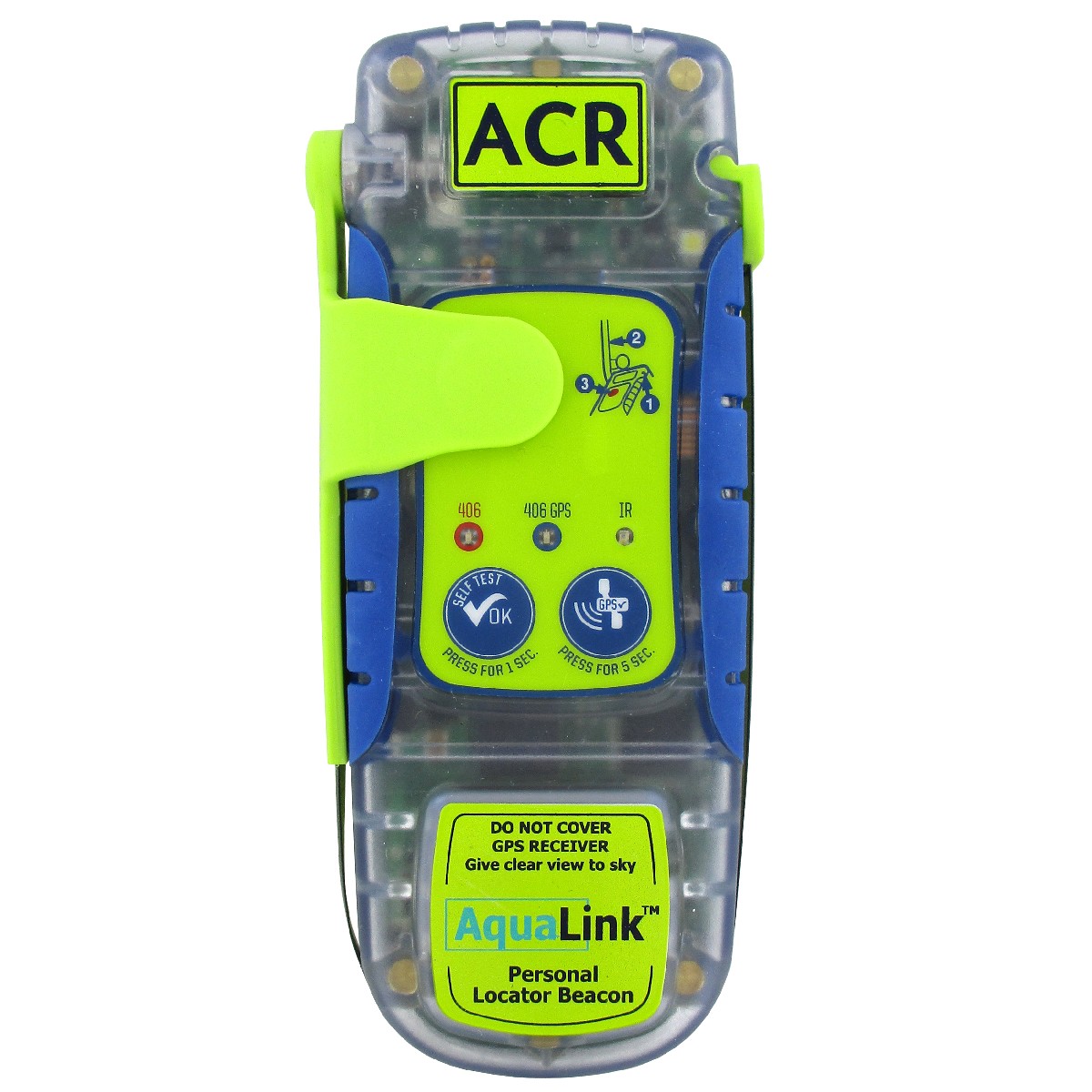 Smartphones, which are seemingly in-hand 24/7, are a tempting solution, but 911 networks offer limited connectivity in ma nature’s domain. When you’re on an outdoor adventure, plbs and satellite messengers are your two best options for sending distress signals.
In an emergency , a plb with gps greatly reduces the search radius to about 100 meters (110 yards). It also significantly lessens the time to provide location tracking—from just under one hour to only one minute. The cospas-sarsat satellite messenger system relies on three different satellites, the geosar, meosar, and leosar. The geosar satellites are stationary over the equator. If your beacon has gps coordinates, satellite messages instantly alert a government database of search and rescue teams of your position in as little as two to three minutes. The meosar satellites are mid-earth-orbiting search and rescue satellites. Using the next-generation satellite network, anyone activating a plb can expect their beacon to be located within 100 meters (328 feet), 95% of the time, within five minutes of the distress signal.
Looking for a personal locator beacon that allows easier communication in your time of need? the garmin inreach mini is the personal locator beacon that keeps you safe in an emergency while also allowing you to track your flight and send and receive text messages. Pair your garmin inreach mini with your garmin pilot app and make calls from your cockpit no matter where you are! dimensions: 2 x 1. 3 x 3. 9 inches weight: 3. 52 ounces warranty: limited warranty battery life : rechargeable lithium battery, up to 90 hours in default tracking mode, up to 20 days in power saving mode benefits: satellite subscription is required (as with all satellite messenger plbs).
If you spend significant time in the outdoors, then a personal locator beacon or satellite messenger should be in your pack. While these devices vary from single-use distress signals to full-blown phones that can be used in virtually any corner of the world, they all have the power to alert authorities when you are in trouble and—most importantly—share your gps coordinates. While many individuals will find that they never need to use the sos button, if you do need it, a plb or sat device can save your life. Here are our picks for the best personal locator beacons and satellite messengers available today.
PLBs vs. Satellite Messengers
Personal emergency beacons versus satellite messengers
it’s easy to confuse plbs with satellite messengers, but it’s important to understand the difference between the two devices and what you can expect a plb to do. A plb is synched to satellites so it can send distress signals to search and rescue agencies in most remote areas across the globe. That’s because it usually offers a stronger signal than a satellite messenger.
You aren’t able to use a plb to send messages home to your family, though — it’s only meant for sos signals. A satellite messenger can also be used to send a distress signal, but it allows you to send non-distress signals to your family as well.
To compile this review, we started by carefully selecting the top models of satellite messenger and personal locator beacons. It's usually impossible for us to satisfactorily test every product on the market for a particular category. With plbs and satellite messengers, though, there aren't many options available, and we can test nearly every device. Especially in the two-way satellite messaging device sub-category, we've worked to get every single new option in our hands. The end result is a set of tested products that represent essentially all of the available satellite communication options currently on the market. From there, we purchased and activated these beacons and put them to the test for hundreds of hours, side-by-side, in several distinct situations and locations.
What is a satellite messenger? satellite messengers have the sos feature of a plb but add on tracking and two-way messaging for users who want to be connected while backcountry exploring. They are ideal for hikers and backpackers who travel to remote areas where there is no mobile phone coverage and want to stay in contact with friends and family at home. (a map of spot's coverage) how does a satellite messenger work? unlike the plbs which use the government-backed sarsat satellite network and sar resources, the satellite messengers use a commercial satellite network (iridium or globalstar) and a private sector response center to handle emergency calls.