The end of the world
by Admin
Posted on 20-09-2023 01:57 PM
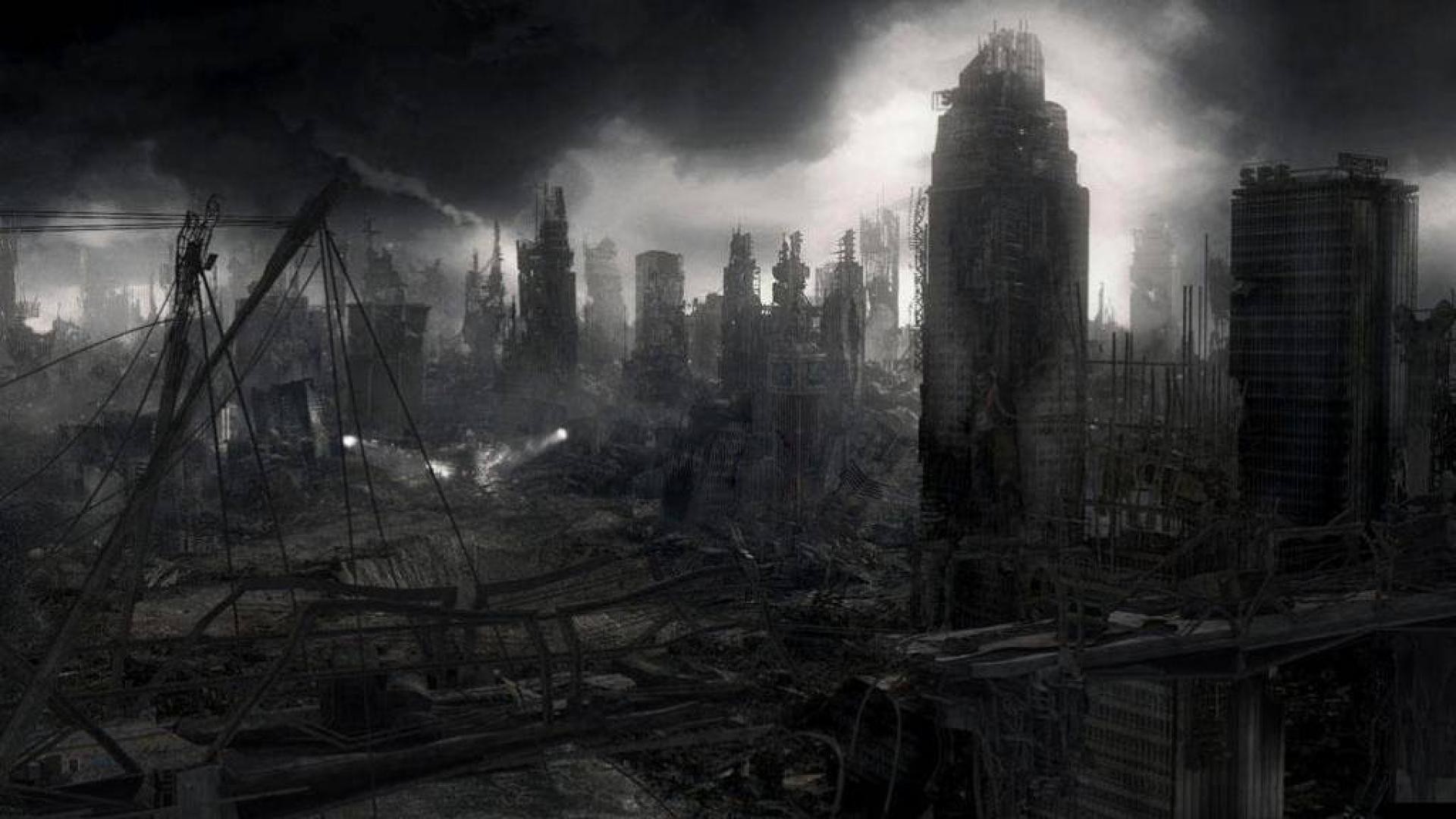
หนึ่งในคำที่ใช้หมายถึงวันสิ้นโลกในภาษาอังกฤษก็คือ apocalypse ทั้งนี้ เนื่องจากเหตุการณ์ต่างๆ ที่จะเกิดขึ้นในวันสิ้นโลกมักเกี่ยวข้องกับการทำลายล้าง เช่น แผ่นดินท้องฟ้าอันตรธานหายไป คนบาปถูกโยนลงในบึงเพลิง คำว่า apocalypse จึงเริ่มถูกนำมาใช้หมายถึง การทำลายล้างขั้นรุนแรง ภัยพิบัติ ความวิปโยค ไม่ได้หมายถึงวันสิ้นโลกตามความเชื่อทางศาสนาจริงๆ
คำว่า armageddon มีส่วนคล้ายกับ apocalypse อยู่นิดหนึ่งตรงที่คำนี้ก็สามารถหยิบไปยำกับคำอื่นเพื่อสร้างคำสุดบรรเจิดได้เช่นกัน ตัวอย่างเช่น carmageddon (รถติดแบบให้ตายกันอยู่ในรถกันไปข้างหนึ่ง) snowmageddon (หิมะตกไม่ลืมหูลืมตา)
ภาษาอังกฤษยังมีสำนวนอีกจำนวนหนึ่งที่พูดถึงจุดจบของโลกแบบกลางๆ ไม่ได้เอามาจากคัมภีร์ไบเบิลเลยเสียทีเดียว หนึ่งในสำนวนนั้นคือ the end of the
world
มักใช้ในเชิงปฏิเสธเพื่อบอกว่า เหตุการณ์ที่ว่าเลวร้ายแล้วก็ใช่ว่าจะเป็นจุดจบของชีวิต แค่นี้ไม่ถึงตาย
แม้เราจะเพิ่งก้าวเข้าสู่ทศวรรษใหม่มาได้แค่สิบกว่าวัน แต่เหตุการณ์ความเป็นไปต่างๆ รอบโลกกลับชวนให้คิดว่าโลกอาจถึงคราวใกล้ดับสูญ ไม่ว่าจะเป็นการที่ ประธานาธิบดีทรัมป์สั่งปลิดชีพผู้บัญชาการทหารคนสำคัญของอิหร่าน ทำให้ภูมิภาคตะวันออกกลางระอุจนคนกลัวกันว่าจะเป็นการจุดชนวนสงครามโลกครั้งที่ 3 หรือไฟป่าในออสเตรเลียที่เผาไหม้สร้างความเสียหายมหาศาลมานับเดือนโดยยังไม่มีทีท่าว่าจะมอดลงแต่อย่างใด รวมไปถึง การระบาดของโรคปอดอักเสบปริศนา ที่ยังไม่ทราบสาเหตุแน่ชัดในประเทศจีน
เมื่อหันกลับมาดูในบ้านตัวเอง เหตุการณ์ต่างๆ ก็ไม่ได้ดูมีความหวังไปกว่ากัน เพราะนอกจากปัญหาฝุ่น pm 2. 5 จะยังอยู่กับเราต่อไปจนอีกหน่อยอาจจะต้องใส่ในคำขวัญประจำจังหวัดแล้ว ก็ยังมีข่าวน้ำแล้งรุนแรงและข่าวน้ำทะเลหนุนส่งผลให้น้ำประปาเค็มอีกด้วย
ดังนั้น ในสัปดาห์นี้ เราจะเปิดศักราชใหม่อันหม่นหมองด้วยศัพท์และสำนวนที่เกี่ยวข้องวันโลกาวินาศให้เข้ากับเหตุการณ์ความเป็นไปต่างๆ รอบโลกและในประเทศกัน.

Apocalypse comes from greek apokálypsis “uncovering,” a derivative of the verb apokalýptein “to take the cover off,” a compound whose first element is the preposition and prefix apó, apo- “off, away. ” the preposition apó has the same proto-indo-european origin as latin ab, sanskrit ápa, gothic af (english off and of ), all meaning “away, away from. ”the second part of apokalýptein is the simple verb kalýptein “to cover, hide. ” kalýptein may be a derivative of the proto-indo-european root kel-, kol-, kəl- (and other variants). If so, kalýptein comes from the variant kəl-; the variant kēl- also forms latin cēlāre “to hide.
The seven signs of the apocalypse, as elaborated upon in the book of revelations in the bible, includes the arrival of the antichrist, war , famine, plague, judgment, chaos, and silence or rebirth. The first four symbols are generally depicted by the symbol of the four horsemen of the apocalypse, which represent the opening stages of the apocalypse. The first sign of the apocalypse heralds the coming of what is agreed by most christian scholars as an antichrist whose purpose is to lead the world astray. Those tricked to follow the false prophecy are trapped in a cycle of suffering.
The destruction and end of the world , as described in the bible. วันสิ้นโลก ตามคำพยากรณ์ในพระคัมภีร์ไบเบิ้ล.
word story For apocalypse
The word apocalypse has many meanings. In religious usage, it identifies the last book of the christian bible, the revelation of john; a genre of ancient judeo-christian visionary literature; or doomsday, the destruction of the world at the end of time prophesied by the apocalypse. In more popular usage, it identifies any catastrophic or violent event, such as the vietnam war (e. G. , the movie apocalypse now ). Apocalypticism is the religious belief system that interprets human history from its origins to the present as signs of the imminent end of the world. It is one feature of christian eschatology, the branch of theology dealing with the state of the soul after death, purgatory, hell, and heaven.
Novels and films with such doomsday scenarios abound. When most people hear the word apocalypse, it engenders an immediate association with great devastation on the earth that leaves only a remnant of survivors to carry on the human race. Stories about the end of the world have fascinated people throughout human history, and today science fiction movie theatrics can create the vivid imagery of nuclear explosions and leveled cities, catastrophic loss of human life and zombies roaming the streets in the aftermath. While history shows that humanity in general has a penchant for bringing much suffering, the world is not destined to end this way.
The alogi , about a. D. 200, a sect so called because of their rejection of the logos-doctrine, denied the authenticity of the apocalypse, assigning it to cerinthus (epiphanius, li, ff, 33; cf. Irenaeus , against heresies iii. 11. 9 ). Caius, a presbyter in rome , of about the same time, holds a similar opinion. Eusebius quotes his words taken from his disputation: "but cerinthus by means of revelations which he pretended were written by a great apostle falsely pretended to wonderful things, asserting that after the resurrection there would be an earthly kingdom" ( church history iii.