Types of sport injuries
by Admin
Posted on 21-09-2023 03:09 PM

The presence of sports medicine is becoming more
important
these days since it is an integrative field that confers substantial benefits to athletes and active individuals. Different sports have different types of injuries which require different care and treatment options.
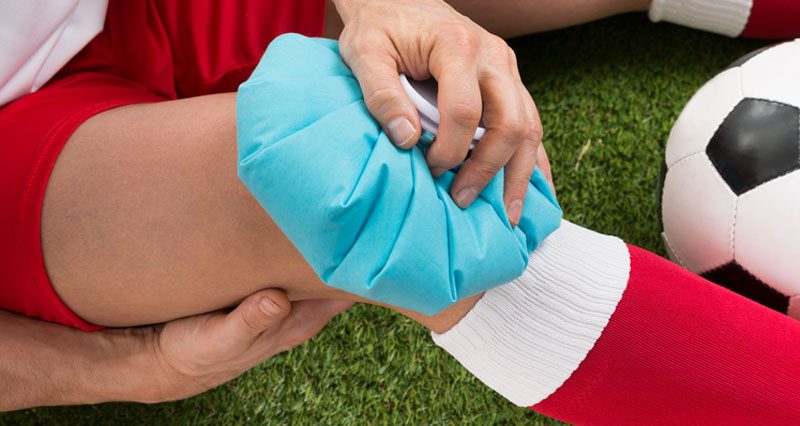 Based on sports contact levels, sports are classified into:
1. Contact sport: a sport in which the participants necessarily come into bodily contact with one another such as football, basketball and rugby. Injuries: contact sports usually lead to tearing of muscles or tendons and broken bones. 2. Non-contact sport: a sport that participants do not have the chance of ever coming physically in contact with their opponents either intentionally or unintentionally, for example: running, swimming badminton, tennis and golf.
Based on sports contact levels, sports are classified into:
1. Contact sport: a sport in which the participants necessarily come into bodily contact with one another such as football, basketball and rugby. Injuries: contact sports usually lead to tearing of muscles or tendons and broken bones. 2. Non-contact sport: a sport that participants do not have the chance of ever coming physically in contact with their opponents either intentionally or unintentionally, for example: running, swimming badminton, tennis and golf.
There are many types of sports injuries. Some of the most common are: broken bone: a broken bone ( bone fracture ) can happen when sudden force is applied to a bone. Cartilage tear: cartilage is a tough but flexible shock absorber that covers and protects the ends of some bones. Cartilage injuries can occur in joints such as your knee and shoulder. Concussion: a concussion is a brain injury caused by a bump or blow to your head. Dislocation: dislocation occurs when the end of a bone moves out of its normal position in a joint. For example, if your shoulder pops out of its socket, it’s dislocated.
Different sports injuries produce different symptoms and complications. The most common types of sports injuries include : sprains. Overstretching or tearing the ligaments results in a sprain. Ligaments are pieces of tissue that connect two bones to one another in a joint. Strains. Overstretching or tearing muscles or tendons results in a sprain. Tendons are thick, fibrous cords of tissue that connect bone to muscle. Strains are commonly mistaken for sprains. Here’s how tell them apart. Knee injuries. Any injury that interferes with how the knee joint moves could be a sports injury. It could range from an overstretch to a tear in the muscles or tissues in the knee.
Sports injuries are broadly categorized into two kinds: acute injuries, which happen suddenly. Chronic injuries, which are usually related to overuse and develop gradually over time. In some cases, wear and tear from overuse injuries can set the stage for acute injuries. Types of musculoskeletal injuries injuries to the musculoskeletal system that are common in athletes include fractures, dislocations, sprains, strains, tendinitis, or bursitis. These terms are defined below. Bone fracture. A fracture is a break in a bone that occurs from either a quick, one-time injury, known as an acute fracture, or from repeated stress, known as a stress fracture.
Prevention of sport injuries
You should not try to “work through” the pain of an injury, regardless of whether it is an acute or overuse injury. When you have pain from a particular movement or activity, you should stop right away.
Continuing the activity may cause further harm. The goals of treatment for a sports injury are recovery of the injured part of the body and prevention of future injuries.
Since hamstring injuries typically occur during sports and athletics, routine precautions should be taken in advance of the activities. It's important to note that hamstring re-injury is most likely to occur within the first two weeks of returning to a sport. Prevention tips: add retro-running , or running backward, to your workout which helps balance the gluteus and hamstring muscles, while strengthening those around the knee. Approach squats and other exercises that engage the gluteus and hip flexor muscles with caution, starting slowly and gradually increasing in depth. Follow the 10% rule , in which you increase the intensity, distance, or duration of your workout by no more than 10% week on week to avoid overexertion.
Accidents happen, especially during sports. While it is possible to limit the number and severity of injuries with prevention strategies , one wrong step or a collision on the field can result in a sudden and painful injury. When this happens, be prepared to act quickly. Ideally, you will have access to a well-stocked first aid kit or have medical help nearby.